Introduction
High Tibial Osteotomy (HTO) is a knee realignment surgery that can help people with knee pain. Often, it is considered when knee replacement seems too early or not the best choice. For many, HTO offers a way to delay or avoid knee replacement. This procedure is gaining attention as one of the top alternatives to knee replacement. It can help restore knee function and reduce pain. In this blog, we will explore HTO procedure benefits, who may need it, and what to expect.
What is High Tibial Osteotomy (HTO)?
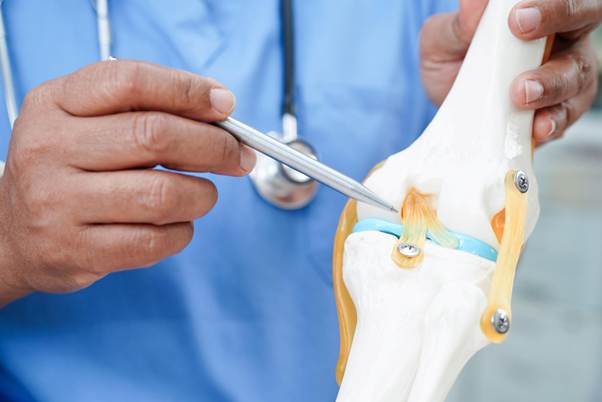
HTO is a surgical procedure that changes the alignment of the knee. During the surgery, the doctor cuts and reshapes the upper part of the shin bone (tibia). As a result, the weight shifts away from the damaged part of the knee. This helps reduce pain and improves movement. Unlike knee replacement, HTO keeps most of your natural knee joint. Many people call it knee realignment surgery.
Who is a Candidate for HTO?
Not everyone with knee pain needs HTO. However, it is a good choice for some people. You may be a candidate if you:
- Are under 60 years old
- Have pain mostly on one side of the knee
- Are active and want to keep your own knee joint
- Have mild to moderate arthritis, not severe
- Have good range of motion in your knee
Still, your doctor will check your knee and overall health before suggesting HTO. Sometimes, people who are overweight or have severe arthritis may not be good candidates.
Symptoms and Conditions Treated by HTO
HTO is mainly used for knee pain caused by uneven wear. Often, this happens when the knee is bowed or misaligned. Common symptoms and conditions include:
- Pain on the inner side of the knee
- Stiffness or swelling after activity
- Early-stage osteoarthritis in one part of the knee
- Difficulty walking or climbing stairs
For example, if you have a bow-legged shape, more pressure goes to one side of your knee. HTO can help shift that pressure and relieve pain.
How Does HTO Differ from Knee Replacement?
HTO and knee replacement are both surgeries for knee pain, but they are quite different. First, HTO keeps most of your natural knee. In contrast, knee replacement removes damaged parts and replaces them with artificial parts. Also, HTO is often better for younger, active people. Knee replacement is usually for older adults with severe arthritis. While HTO can delay the need for knee replacement, it does not rule it out in the future.
Benefits and Risks of HTO
HTO offers several benefits. Some of the main advantages include:
- Delays or avoids knee replacement
- Keeps your natural knee joint
- Improves knee function and movement
- Allows return to sports or active life
However, like all surgeries, HTO has risks. These may include:
- Infection or blood clots
- Slow bone healing
- Nerve or blood vessel injury
- Need for further surgery later
According to the American Academy of Orthopaedic Surgeons, most people recover well, but it is important to discuss risks with your doctor.
The HTO Procedure: What to Expect
Before surgery, your doctor will order X-rays or scans to plan the procedure. On the day of surgery, you will get anesthesia to keep you comfortable. The surgeon makes a small cut near the knee and reshapes the tibia. Sometimes, a metal plate or screws are used to hold the bone in place. The surgery usually takes one to two hours. Most people stay in the hospital for one or two days.
Recovery and Rehabilitation After HTO
Recovery from HTO takes time and effort. Right after surgery, you may use crutches or a walker. Physical therapy starts soon to help you regain strength and movement. Most people can walk without help in six to eight weeks. However, full recovery may take three to six months. During this time, follow your doctor’s advice and attend all therapy sessions. This helps you get the best results from your HTO procedure.
Prevention and Lifestyle Tips for Knee Health
Even after HTO, it is important to care for your knees. Here are some tips to keep your knees healthy:
- Maintain a healthy weight to reduce stress on your knees
- Stay active with low-impact exercises like swimming or cycling
- Stretch and strengthen your leg muscles regularly
- Wear proper shoes with good support
- Avoid activities that cause knee pain
With these steps, you can help protect your knees and enjoy a more active life.
Conclusion
High Tibial Osteotomy is a valuable option for people with knee pain who want to avoid or delay knee replacement. It can help restore movement and reduce pain for the right candidates. However, it is important to talk with an orthopedic specialist to see if HTO is right for you. Your doctor can guide you based on your needs and health. Consult an orthopedic specialist to find out if High Tibial Osteotomy is right for you.