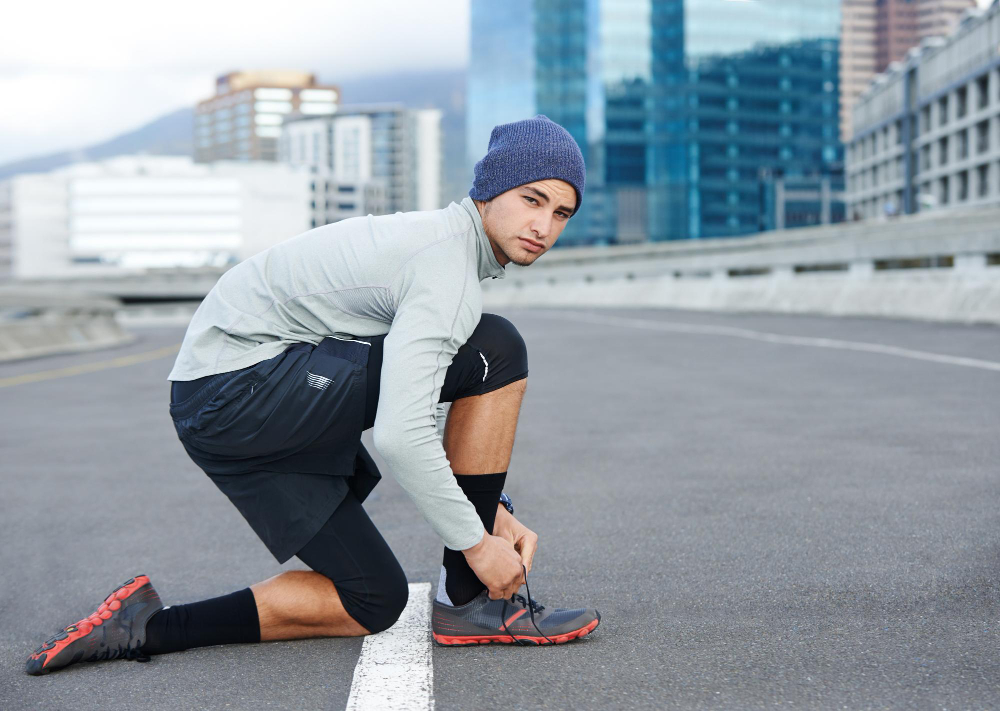
Introduction to Knee Injuries in Runners
Many runners worry about knee injuries. In fact, knee pain is one of the most common problems for people who run often. If you want to prevent knee injuries in runners, you need to know the risks and how to avoid them. With the right steps, you can enjoy running and stay injury-free.
Common Causes of Knee Injuries While Running
Several things can lead to knee injuries in runners. For example, running with poor form or wearing the wrong shoes can put stress on your knees. Sometimes, running on hard or uneven surfaces also increases your risk. In addition, doing too much too soon can strain your knee joints.
According to the American Academy of Orthopaedic Surgeons, these factors are leading causes of knee pain in runners.
Early Warning Signs and Symptoms
It is important to notice early signs of knee trouble. If you catch problems early, you can prevent serious injuries. Watch for these symptoms:
If you notice any of these signs, take a break and rest your knee. Sometimes, early care can stop a minor problem from getting worse.
Evidence-Based Prevention Strategies
There are many ways to prevent knee injuries in runners. Experts recommend these safe running practices and knee injury prevention tips:
Warm Up Properly
Before you start running, always warm up. For instance, try brisk walking or gentle stretching for 5–10 minutes. This helps prepare your muscles and joints for exercise.
Strengthen Your Muscles
Strong muscles support your knees. Therefore, add strength exercises for your legs, hips, and core. Some good options include:
Doing these exercises two to three times a week can make a big difference.
Choose the Right Footwear
Wearing proper running shoes is key. Always pick shoes that fit well and match your foot type. Replace your shoes every 300–500 miles, or when they show signs of wear.
Focus on Good Running Form
Good form helps protect your knees. Keep your back straight, land softly, and avoid overstriding. If you are unsure, consider a running form assessment from a coach or physical therapist.
Allow Time for Rest and Recovery
Rest days are just as important as training days. In fact, your body needs time to heal and get stronger. Plan at least one or two rest days each week. If you feel pain, take extra time off to recover.
Lifestyle and Training Tips for Knee Health
Besides exercise, your daily habits matter too. Here are some tips to keep your knees healthy:
For runners in cities with uneven roads or hills, be extra careful. Choose flat, soft surfaces when possible to lower your risk of injury.
When to Seek Medical Help
Sometimes, knee pain does not go away with rest. If your pain is severe, lasts more than a week, or you cannot put weight on your leg, see a doctor. Also, if you notice swelling, redness, or your knee locks up, get medical help right away. An orthopedic specialist can check your knee and suggest the best treatment.
Summary and Actionable Advice
To sum up, runners can avoid knee pain by following safe running practices and listening to their bodies. Remember to warm up, strengthen your muscles, wear the right shoes, and rest when needed. If you notice early signs of knee trouble, take action quickly. Above all, consult an orthopedic specialist for personalized advice on knee injury prevention.