Introduction
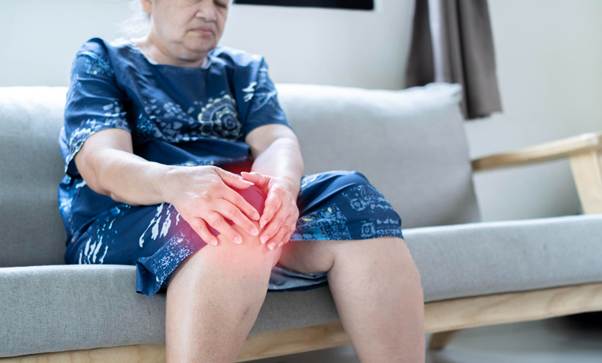
Knee osteoarthritis is a common joint problem. It happens when the cartilage in your knee wears down over time. As a result, your knee can feel stiff, swollen, or painful. Preventing knee osteoarthritis is important because it helps you stay active and avoid long-term pain. In fact, many people think painkillers are the only answer. However, modern knee osteoarthritis management offers many non-drug options. These can help protect your knees and improve your quality of life.
Symptoms and Early Warning Signs
It is helpful to know the early signs of knee osteoarthritis. This way, you can take action sooner. Common symptoms include:
- Pain or aching in the knee, especially after activity
- Stiffness, often in the morning or after sitting
- Swelling around the knee joint
- Clicking or popping sounds when moving the knee
- Reduced movement or trouble bending the knee
Sometimes, these signs are mild at first. But over time, they can get worse. Therefore, noticing them early is key for knee osteoarthritis prevention.
Causes and Risk Factors
Many things can lead to knee osteoarthritis. Some you can control, while others you cannot. Here are the main causes and risk factors:
- Age: Risk increases as you get older
- Previous knee injuries
- Being overweight or obese
- Family history of osteoarthritis
- Jobs or sports that stress the knees
- Weak muscles around the knee
Although you cannot change your age or family history, you can focus on other areas. For example, keeping a healthy weight and staying active can lower your risk.
Modern Prevention Strategies
Today, experts recommend several non-pharmacological strategies for knee OA. These methods go beyond just taking painkillers. Instead, they focus on long-term knee health. Here are some proven ways to prevent knee osteoarthritis:
Exercise and Physical Activity
- Low-impact exercises like walking, swimming, or cycling help keep knees strong
- Strength training builds muscles around the knee, offering better support
- Stretching improves flexibility and reduces stiffness
According to the CDC, regular exercise can slow knee osteoarthritis and ease symptoms.
Weight Management
Extra weight puts more pressure on your knees. Even losing a small amount can make a big difference. In fact, every pound lost takes four pounds of pressure off your knee joint.
Physical Therapy
Physical therapists teach safe ways to move and strengthen your knees. They can also show you how to protect your joints during daily tasks.
Joint Protection Techniques
- Use proper posture when standing or walking
- Avoid deep knee bends or heavy lifting
- Take breaks during long periods of standing
These habits can help reduce wear and tear on your knees.
Nutrition for Healthy Knees
- Eat foods rich in vitamins C and D, like oranges and dairy
- Include omega-3 fatty acids from fish or flaxseed
- Stay hydrated to keep joints lubricated
Healthy eating supports joint health and may slow knee osteoarthritis.
Emerging Therapies
Some new treatments are being studied. For example, platelet-rich plasma (PRP) injections and stem cell therapy show promise. However, more research is needed. Always talk to your doctor before trying new therapies.
Lifestyle Guidance
Making small changes in your daily life can help prevent knee osteoarthritis. Consider these tips:
- Choose supportive shoes with good cushioning
- Use handrails when climbing stairs
- Warm up before exercise and cool down after
- Listen to your body and rest if you feel pain
- Keep your home free of tripping hazards to avoid falls
Additionally, avoid sitting for long periods. Try to stand up and stretch every hour. These habits support healthy knees for years to come.
Myths vs. Facts about Knee Osteoarthritis Prevention
- Myth: Only older people get knee osteoarthritis.
- Fact: It can affect younger adults, especially after injury.
- Myth: Exercise makes knee osteoarthritis worse.
- Fact: The right exercise can protect your knees and reduce pain.
- Myth: Painkillers are the only solution.
- Fact: Non-drug strategies are key for long-term knee health.
- Myth: Cracking your knees causes osteoarthritis.
- Fact: There is no strong evidence to support this.
When to Seek Medical Advice
Sometimes, knee pain or stiffness does not go away. If you notice these signs, it is time to see a doctor:
- Severe or lasting knee pain
- Swelling that does not improve
- Difficulty moving or bending your knee
- Sudden injury or locking of the knee
Early treatment can help prevent further damage. Therefore, do not wait if you have concerns.
Conclusion and Call-to-Action
Preventing knee osteoarthritis is possible with the right steps. Modern knee osteoarthritis management focuses on exercise, weight control, and healthy habits. You do not have to rely only on painkillers. Instead, try these proven strategies for knee osteoarthritis prevention. For the best results, consult an orthopedic specialist for personalized knee health advice.